- Home
- Where To Stay
- Where to Stay in Sliema
- Valletta Vs Sliema First Time Visitors
Valletta vs Sliema for First-Time Visitors
Match the Base to Your Trip
Deciding between Valletta and Sliema for first-time visitors depends more on your preferred daily routine than on which one is "better."
Choose Valletta when you want historic streets, major cultural sights, and atmospheric evenings right outside your accommodation. Choose Sliema when you want seafront walks, rocky swimming, more apartment options, and boat departures.
The two areas face each other across Marsamxett Harbour and are connected by passenger ferry, making visits easy. Your accommodation choice mainly affects your mornings, evenings, and daily transport. The ferry operates on summer and winter schedules, so evening flexibility varies by season.
 Valletta or Sliema? Choose the base that suits your initial or return trip to Malta
What You Will Find In This Guide
- Quick Answer: Which Malta Base Fits Better?
- Valletta vs Sliema: Key Differences at a Glance
- Choose Valletta for Character and Easy Sightseeing
- Choose Sliema for Waterfront Holiday Flexibility
- Which Base Works Better Without a Car?
- Compare Evenings, Swimming and Daily Holiday Rhythm
- Compare Hotels, Apartments and Walking Conditions
- Who Will Feel Happier in Each Base?
- Should You Split Your Stay Between Valletta and Sliema?
- What Should You Book: Valletta or Sliema?
- Our Local Recommendation for First-Time Visitors
- Practical Questions Before You Choose
Quick Answer: Which Malta Base Fits better?
Choose Valletta if you like historic settings, lively evenings, and being close to Malta’s main bus terminal. It is a great spot for seeing the whole island, not just Valletta itself.
Go for Sliema if you enjoy waterfront walks, rocky swimming, boat trips, and more accommodation choices. Sliema Ferries and Tigné are the easiest places to cross over to Valletta.
- Best for historic atmosphere: Valletta
- Best for staying by the water: Sliema
- Best for island-wide bus trips: Valletta
- Best for swimming and boat trips: Sliema
- Best for apartments and larger hotels: Sliema
- Best for a character-filled city base: Valletta
Both places are good for a short trip, a week, or even a return visit. Pick the one that matches the surroundings and daily routine you would enjoy most.
Valletta vs Sliema: Key Differences At A Glance
| Decision | Valletta | Sliema |
|---|---|---|
| Best overall fit | Historic atmosphere, cultural sightseeing and convenient bus departures | Waterfront walks, swimming, boat trips and broader accommodation choice |
| Typical morning | Breakfast and sightseeing inside the historic capital | A promenade walk, rocky swim or ferry journey to Valletta |
| Transport strength | Malta’s central bus terminal plus ferries to Sliema and the Three Cities | Coastal buses, the Valletta ferry and convenient boat departures |
| Accommodation style | Boutique hotels, historic conversions and smaller properties | Larger hotels, apartments and a wider choice of room styles |
| Walking conditions | Compact but steep, with steps towards the harbour sides | Easier along the waterfront, with uphill streets farther inland |
| Main drawback | Hills, steps and less convenient everyday swimming | Traffic, waterfront noise and less historic atmosphere |
✍️ Written by Albert and Benjamin Magro, Malta locals sharing practical advice based on living on and exploring the islands.
Choose Valletta for Character and Easy Sightseeing
Valletta is ideal for visitors seeking history, ambience, and convenient sightseeing.
- Choose Valletta if you want charm and easy sightseeing
- Stay in Valletta if you want to walk out your door and be surrounded by Malta’s history and architecture.
You can explore the city in the morning, head back to your room in the afternoon, and walk to dinner without worrying about catching a ferry.
- Staying in Valletta doesn’t mean you have to spend your whole trip there. The main bus terminal by City Gate makes it a practical base for visiting other parts of Malta.
Valletta is a good choice for:
- Couples who enjoy a special atmosphere.
- Visitors who are interested in history and architecture.
- Travellers who often plan to use the bus.
- Anyone who prefers character to a modern waterfront setting.
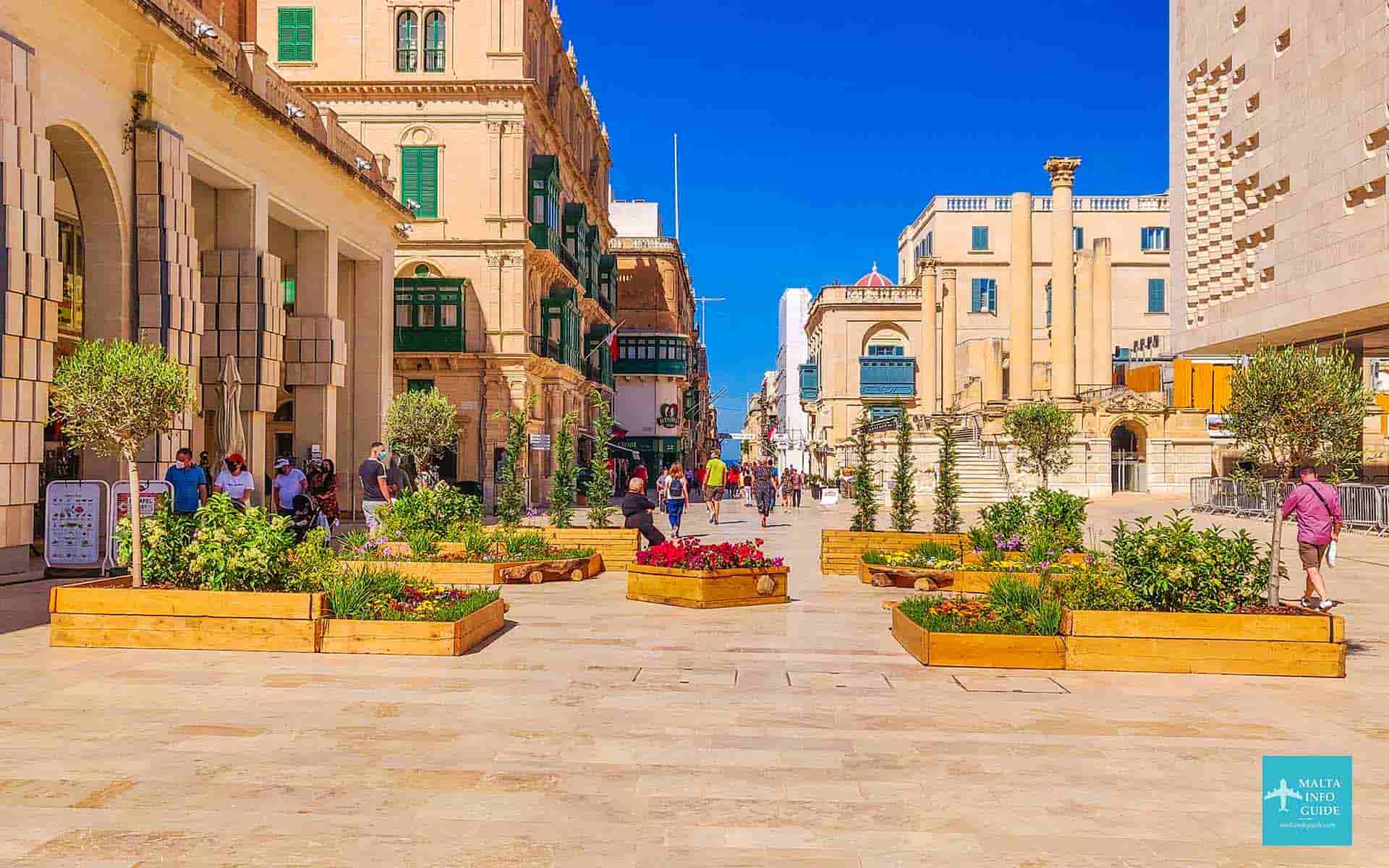
The main thing to consider is walking. Valletta is small, but the streets towards the harbour can be steep or stepped.
For easier access, pick Upper Valletta near City Gate. Check the route, lift access, and entrance steps before you book.
Read where to stay in Valletta before you pick your street.
For a more distinctive stay, compare boutique hotels in Valletta.
 The ferry makes travel between Sliema and Valletta easy
Choose Sliema for Waterfront Holiday Flexibility
Sliema suits visitors who want waterfront living, swimming and easy boat access.
- Pick Sliema if you want swimming, waterfront walks, shopping, and boat trips to be a big part of your holiday.
- Start your day by the water, catch the ferry to Valletta, then return to Sliema for an evening promenade.
Sliema also has plenty of hotels and apartments, making it practical for families, groups and visitors who want more space, while our guide to where to stay in Sliema explains how its main accommodation areas differ.
Where you stay in Sliema matters:
- Sliema Ferries and The Strand: best for ferries, buses, and boat trips.
- Tigné is convenient for ferries, shopping, and modern hotels.
- Tower Road and Fond Għadir: best for rocky swimming and sea views.
- Exiles: good for swimming and walks towards Balluta, but farther from the ferry.
Fond Għadir has sheltered pools carved into the rocks and access to deeper water. It is a swimming spot, not a typical sandy beach.
Sliema is a great choice for:
- Want to swim close to where you’re staying.
- Are a family or group looking for an apartment?
- Want to go on harbour cruises or boat trips.
- Enjoy long walks by the water.
- Prefer modern convenience to historic surroundings.
Look into places to stay near Sliema Ferries before booking somewhere that’s just called central Sliema.
Which Base Works Better Without a Car?
Both Valletta and Sliema are well-suited to car-free travel, but they support different travel routines.
Valletta is usually more convenient for island-wide bus trips because the main terminal is just outside City Gate.
Sliema is well-suited for ferries, coastal buses, walking, and boat trips, although transportation stops are dispersed along the waterfront.
- Valletta: better for regular bus journeys around Malta.
- Sliema: better for combining buses, ferries, walking and boats.
A rental car is rarely needed. Parking and traffic can make it more trouble than it is worth.
See Valletta without a car or Sliema without a car for detailed transport advice.
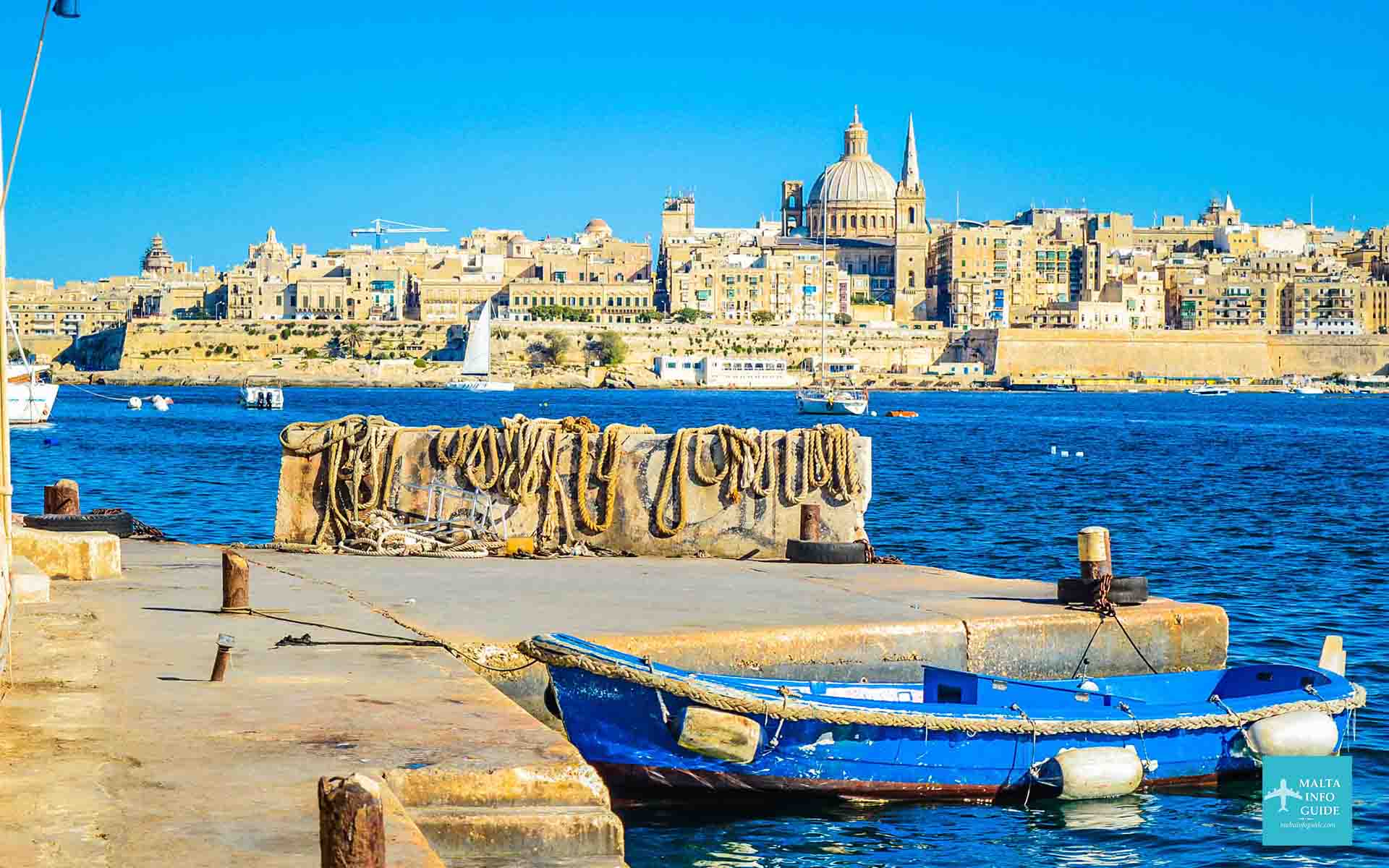 Sliema provides stunning views of Valletta across the harbour.
Compare Evenings, Swimming and Daily Holiday Rhythm
Valletta’s evening appeal lies in its historical atmosphere. You can enjoy dining among historic buildings, stroll the streets after daytime visitors depart, and head back to your accommodation without worrying about ferry schedules.
Sliema offers more variety along the waterfront. You can dine near The Strand, stroll along the promenade, or head towards Balluta and St Julian’s on the coast.
Sliema is better for swimming, but expect rocky platforms, bathing pools, and ladders instead of a sandy beach.
Valletta has a stronger cultural setting, while Sliema provides a busier, modern waterfront.
Compare Hotels, Apartments and Walking Conditions
Valletta is ideal for boutique hotels, historic structures, and charming accommodations. Verify lift access, entrance steps, and room configuration prior to booking.
Sliema offers more apartments, larger hotels and modern accommodation, suitable for families, groups and longer stays.
Neither area is completely flat:
- Valletta: compact, but some streets are steep or stepped.
- Sliema: easier along the waterfront, but streets rise inland.
- Sliema and Valletta: rooms facing busy roads or restaurants can be noisy.
Older visitors should verify the exact location, as a Sliema hotel near the promenade might still be uphill. In Valletta, confirm the route from City Gate.
In Sliema, review the walk between your hotel, the waterfront, and the ferry, indicated by the symbols.
Who Will Feel Happier in Each Base?
Valletta and Sliema cater to different travel preferences and daily lifestyles.
Valletta is recommended if:
- History and architecture are key elements of your holiday experience.
- You desire memorable settings both morning and evening.
- You anticipate frequently using the central bus terminal.
- You favour smaller, charming accommodations.
- Steps and sloping streets won't pose a problem for you.
Sliema is preferable if:
- You value swimming and waterfront walks.
- You seek a larger hotel or apartment.
- Boat trips are part of your plans.
- You favour modern amenities and nearby shopping.
- You want easier access to walk along a long promenade.
Families may value Sliema’s apartments and daily convenience, while couples might prefer Valletta's atmosphere and character.
Older visitors may find Sliema’s waterfront more accessible, but should check whether the hotel is uphill.
Should You Split Your Stay Between Valletta and Sliema?
You usually do not need to split your stay between Valletta and Sliema, since the ferry makes it simple to visit both places.
However, you might consider splitting your stay if you want to spend a few nights in Valletta for its historic feel, then move to Sliema for swimming, waterfront walks, and boat trips.
For most people, switching hotels means more packing and travel time. It’s usually easier to choose the place that best fits your plans and visit the other place by ferry.
 The Strand is one of Sliema’s busiest and most practical areas
Who Should Choose Each Base?
Choose the base that aligns with your travel style, preferred environment, and daily routine. Both options are suitable for exploring Malta, but each appeals to different visitor preferences.
Valletta will suit you better when:
- History and architecture play a key role in your holiday experience.
- You desire memorable settings for mornings and evenings.
- The central bus terminal will likely be your go-to transportation point.
- You favour smaller, charming accommodations.
- Steps and sloped streets should not pose significant issues.
Sliema will suit you better when:
- Swimming and waterfront walks matter to you.
- You want a larger hotel or apartment.
- Boat trips will be part of your plans.
- You prefer modern convenience and nearby shopping.
- You want to walk more easily along a long promenade.
Best Base by Traveller Type
- Families: Sliema offers a wider choice of hotels and apartments, with everyday services nearby.
- Couples: Valletta might appeal to those seeking a place with atmosphere and character.
- Older visitors: Sliema’s waterfront might seem more accessible, but make sure to verify if the hotel is uphill.
 The Strand waterfront between Sliema and Gżira, with boats, hotels and harbour views
What Should You Book: Valletta or Sliema?
Select the area that most closely aligns with your preferred environment and daily habits.
Book Valletta When:
- Select central Valletta near City Gate for its historic charm, convenient sightseeing, and accessible bus routes.
- Review the walking route, entrance steps, and lift access at Upper Barakka Gardens prior to booking.
Book Sliema When:
- Decide on Sliema Ferries or Tigné if you want ferry access, waterfront walks, boat trips, and more hotel and apartment options.
- If swimming and sea views are your priorities over ferry proximity, select Tower Road or Fond Għadir.
Before making payment, verify the exact street, slope, and room location in both areas.
Our Local Recommendation for First-Time Visitors
Pick the area that matches the kind of holiday you want each day. Either option lets you explore the rest of Malta.
- Go with Valletta if you want history, charm, and easy access to buses.
- Pick Sliema Ferries or Tigné if you prefer being by the water, swimming, and taking boat trips.
- Before you book, check the exact street, how steep the area is, and where your room is located.
We prefer Valletta for its character and sightseeing. Sliema is a better pick if you want to stay by the water.
Practical Questions Before You Choose
Is Valletta or Sliema better for couples?
Is Valletta or Sliema better for couples?
Valletta is ideal for a brief romantic or cultural getaway. Sliema, on the other hand, is better suited for couples seeking swimming, extended walks, and a more diverse weekly experience.
Is Valletta or Sliema better for families?
Is Valletta or Sliema better for families?
Sliema typically offers a greater selection of apartments and daily conveniences. Meanwhile, Valletta is ideal for families with older children who enjoy history.
Can I walk between Sliema and Valletta?
Can I walk between Sliema and Valletta?
Not directly. Valletta and Sliema are divided by the harbour, making the passenger ferry the simplest choice. Alternatively, you can use a bus or taxi.
Which is quieter at night?
Which is quieter at night?
Valletta tends to be quieter outside the restaurant areas. Sliema's atmosphere varies, with waterfront streets usually busier than inland or rear-facing rooms.
Which has better beaches?
Which has better beaches?
Sliema offers accessible rocky swimming areas, but there are no sandy beaches. Consider planning day trips if having a traditional beach experience is important.

Disclaimer — We may earn a commission if you book via certain links on the website. No extra cost to you.
🎉 What’s On In Malta?
Updated for October • Local picks
Discover events, village feasts, fireworks, festivals and seasonal things to do this October.
📅 See What’s Happening This October ⛪ Malta Village Feasts 🌞 Things To Do In Malta 🗓️ Events By Month🍺 Enjoying Malta Info Guide?
If our local guides helped you plan your Malta trip, you can say thanks by buying us a Cisk.
Made by two Malta locals. Always free.

✈️ Planning your Malta trip?
✈️ Flights to Malta
Compare airlines and find the best prices today.
Check today’s cheapest flights →🏨 Hotels in Malta
Find available rooms, trusted stays and good locations for your Malta trip.
See available hotels this week →🚗 Car Rental in Malta
Compare prices, pick-up points and car options before you book.
Compare car rental prices →Planning London too?
Discover where to stay, what to do, and when to visit London.
Explore London Guide →Recent Articles


-
Weather in Malta in December 2026 | Temperatures & Tips
Oct 03, 26 05:55 AM
Planning Malta in December? See average temperatures, rainfall, sea temperature, what to wear, swimming conditions, Christmas weather and practical local tips. -
Malta Weather in November: Temperatures, Rain & What to Wear
Oct 03, 26 05:00 AM
Planning a trip to Malta in November? See temperatures, rainfall, early and late November weather, what to wear, whether you can swim and what to expect. -
Malta Weather in October: Temperature, Rain & What to Wear
Oct 02, 26 03:15 PM
Planning a trip to Malta in October? See temperatures, rainfall, sea temperature, early and late October weather, what to wear and whether you can still swim.