- Home
- Weather in Malta
- Weather in Malta in January
Weather in Malta in January
Cool Winter Days, Chilly Evenings and Changeable Weather
January can be a great month to visit Malta if you want sightseeing, history, and exploration without the summer heat. On a bright, calm day, sitting or walking in the sunshine can feel very pleasant, especially in a sheltered spot.
The weather can change how the same day feels quite quickly. Move into the shade or onto an exposed waterfront, and it may feel much cooler, while evenings normally call for another layer. Rain and stronger winds are also possible, so it helps to keep your plans flexible.
From our experience living in Malta, we would approach January as a winter sightseeing and exploring holiday rather than a warm beach escape. You can still enjoy some beautiful sunny days, but bring layers and plan around the actual weather rather than expecting dependable warmth.
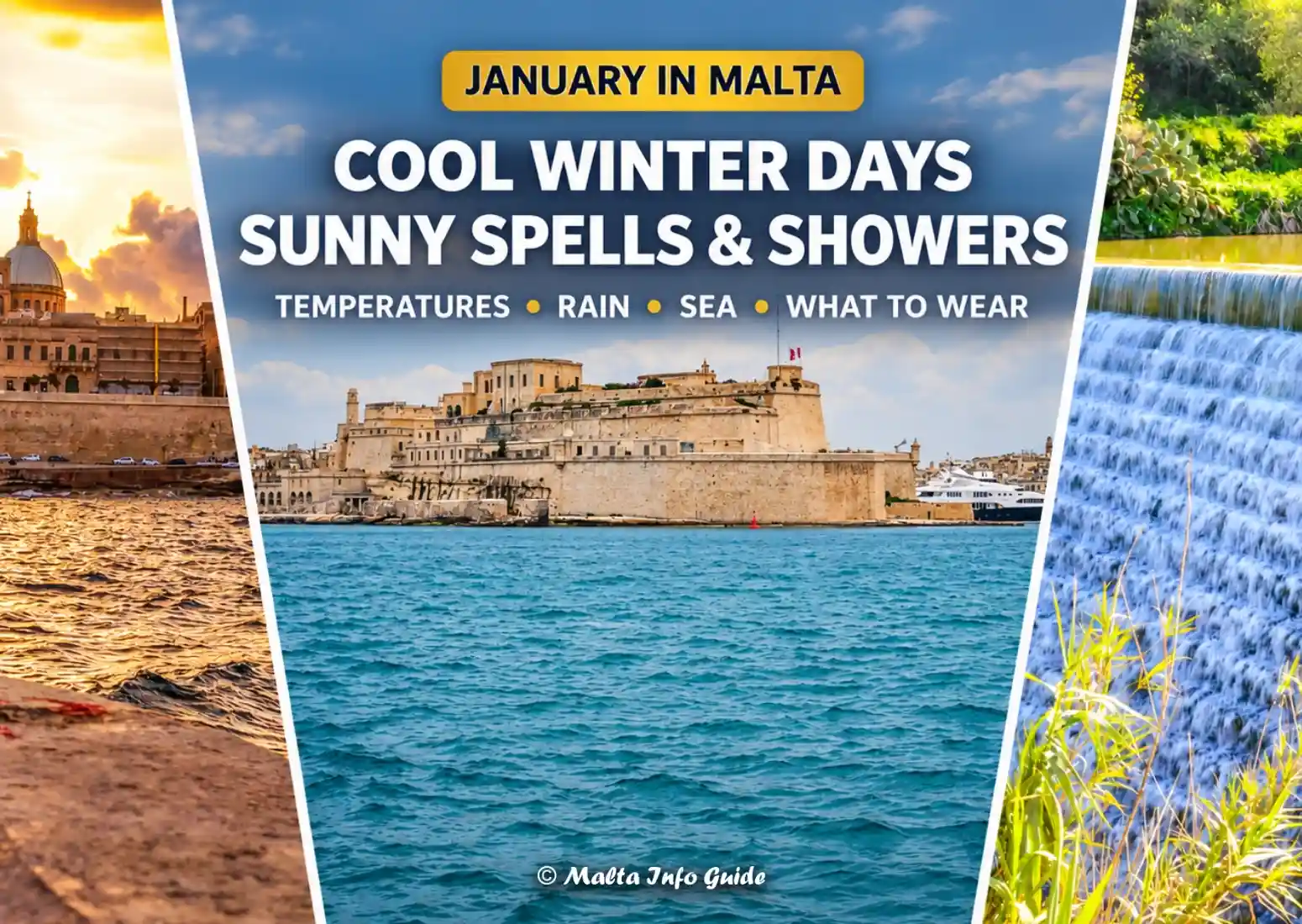 January in Malta brings cool days, sunshine and occasional showers
✍️ Written by Albert and Benjamin Magro, Malta locals sharing practical advice based on living on and exploring the islands.
Here Is What You Need To Know
- Statistics For January
- Early vs Late January Weather
- Is January a Good Time to Visit Malta?
- Weather in Gozo in January
- What Should I Wear & Pack?
- Things To Do During January
- January Highlights & Seasonal Events
- What Happens When It Rains in Malta in January?
- Top Tours In Malta For January
- Can You Swim in Malta in January?
- Quick January In Malta Thoughts
- Malta in January Weather FAQs
Statistics For January
- 🌡️ Average Daytime High: 15.7°C (60°F)
- 🌙 Average Night-time Low: 10°C (50°F)
- 🌡️ Average Air Temperature: 12.9°C (55°F)
- 🌊 Average Sea Temperature: Around 16°C (60.8°F)
- 🌧️ Average Rainfall: Around 79mm (3.1 inches)
These averages help with planning, but January weather can feel very different depending on sunshine, wind, and rain.
January Temperature Extremes
- 🔥 Highest January Temperature Recorded: 25.8°C (78°F) — 9 January 2021
- ❄️ Lowest January Temperature Recorded: 1.4°C (35°F) — 29 January 1981
These are record extremes and don't represent typical January weather.
Sunshine Hours and Daylight
- ☀️ Average Sunshine: 5.4 hours of bright sunshine per day
- 🕖 Daylight: 9 hours 46 minutes at the beginning of January, increasing to 10 hours 24 minutes by the end of the month
- 🌅 Sunrise: 07:12 at the beginning of January | 07:03 by the end of the month
- 🌇 Sunset: 16:58 at the beginning of January | 17:27 by the end of the month
January days gradually become longer as the month progresses, giving visitors about 38 minutes more daylight by the end of January.
Early vs Late January Weather
We would not expect a major difference between early and late January. The weather on any given day usually matters more than which part of the month you visit, and either period can bring sunshine, wind, rain, or cooler conditions.
Towards the end of January, the days gradually become longer, giving you a little more daylight for sightseeing and outdoor activities. However, we would not choose late January expecting noticeably warmer or more settled weather.
Whether you visit at the beginning or end of the month, the best approach is to check the forecast shortly before travelling and keep your plans flexible.
Is January a Good Time to Visit Malta?
Yes, January can be a good month to visit Malta if your priorities are sightseeing, history, culture, food and exploring without the summer heat. It is much less suitable if your main reason for visiting is swimming, sunbathing or dependable warm weather.
Reasons to Visit Malta in January
- Comfortable for sightseeing: Cooler temperatures can make exploring Valletta, Mdina, the Three Cities and historic attractions easier than during summer.
- Good for walking and exploring: Dry, calm days can be very pleasant for countryside walks, coastal routes and village visits.
- A quieter time to explore: Malta generally feels less intense than during the main summer season.
- Plenty to do indoors: Museums, churches and historic buildings provide good alternatives when the weather changes.
Things to Keep in Mind
- The weather is changeable: Sunshine, wind, cloud and rain can all affect how the day feels.
- It is not a beach holiday month: Do not expect dependable swimming or sunbathing weather.
- Keep some plans flexible: Boat trips, exposed coastal walks and long outdoor activities are best planned around the forecast.
January suits visitors who enjoy history, culture, food, walking and a relaxed winter break. For beaches, swimming and dependable warmth, choose a warmer month.
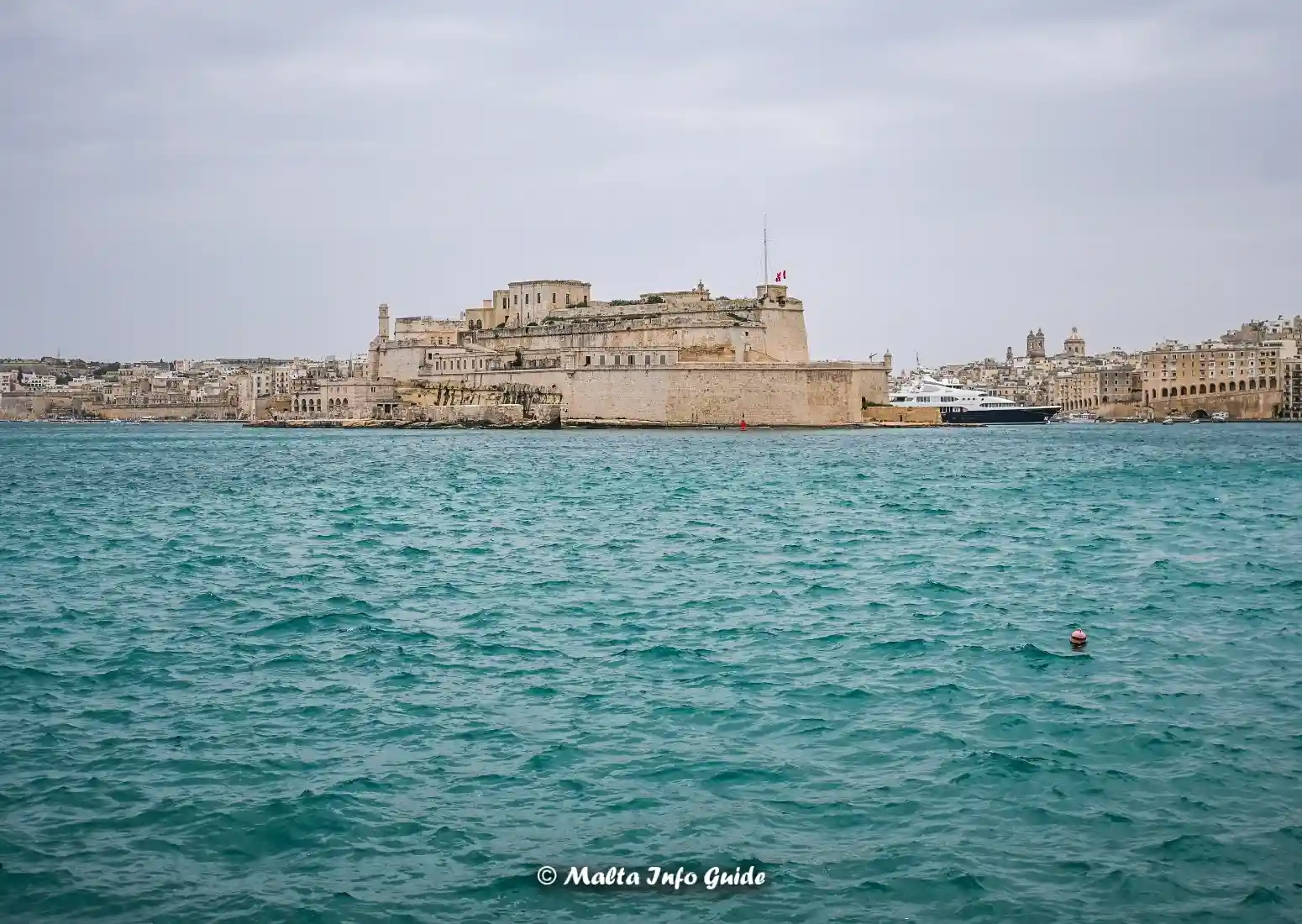 Fort St Angelo across Malta’s Grand Harbour in winter
Weather in Gozo in January
January weather in Gozo is generally similar to Malta, but exposed coastal and countryside areas can feel noticeably colder when it is windy.
A sheltered village street may feel pleasant in the sunshine while an exposed coastal walk feels much cooler on the same day. If you are visiting Gozo in January, check the weather and wind conditions before planning long walks or spending several hours outdoors.
For day trips, it is also sensible to keep an eye on ferry updates when stronger winds or rougher seas are forecast.
Check Hotels In Malta Rates For This Month
- Find good rates for hotels in Malta on Booking.com.
What Should I Wear & Pack?
Packing for Malta in January is mainly about layers and protection from wind and rain. You may remove your jacket during a sunny, sheltered walk, but shade, wind and the evening can feel noticeably cooler.
A useful January packing list includes:
- T-shirts or light tops for layering
- Long trousers or jeans
- A jumper, cardigan or similar warm layer
- A windproof and waterproof jacket
- Comfortable walking shoes with good grip, particularly for wet paving or countryside walks
- A compact umbrella, although a hooded jacket is often more useful in strong wind
- Sunglasses for bright winter sunshine
The best approach is to check the forecast shortly before travelling and pack clothes you can easily add or remove during the day.
Things To Do During January
January is well suited to sightseeing, history and exploring Malta at a slower pace. The best plans depend on the weather that particular day.
- Explore Valletta, Mdina and the Three Cities, where you can combine outdoor sightseeing with museums, churches and historic buildings.
- Walk in the countryside on dry, calm days. Areas around Rabat, Dingli, Buskett and Chadwick Lakes can be particularly enjoyable during the greener winter months.
- Take a hop-on, hop-off sightseeing tour if you want to cover several areas without spending the whole day walking outdoors.
- Enjoy a relaxed lunch or café stop, especially when the weather becomes cooler or wetter.
- Visit museums and indoor attractions when rain or stronger winds make outdoor plans less appealing.
For coastal walks, boat trips and other exposed activities, check the forecast and keep your plans flexible rather than booking your entire day around them.
For more ideas beyond these weather-specific suggestions, see our guide to things to do in Malta.
 Republic Street in Valletta decorated for the festive season
January Highlights & Seasonal Events
- New Year’s Day: Celebrated on 1 January, with many families gathering for meals and some businesses operating on reduced hours.
- Valletta Baroque Festival: One of Malta’s main winter cultural events, with Baroque music performed in historic churches, theatres and other venues around Malta.
For current dates and more ideas, see our guide to events and things to do in Malta during January, or browse our Malta events calendar for events throughout the year.
What Happens When It Rains in Malta in January?
January rain can range from a short, heavy shower to several unsettled hours, or occasionally a much wetter day. A rainy forecast does not necessarily mean the whole day will be lost.
Heavy rain can leave roads wet, make paving slippery and make outdoor sightseeing uncomfortable, especially if you are caught without shelter. We recommend keeping at least one indoor option in mind and avoiding a schedule where every hour depends on good weather.
 Chadwick Lakes in the limits of Mtarfa and Rabat, Malta
Top Tours In Malta For January
January suits tours that don't depend entirely on warm or calm weather.
- Valletta, Mdina and Three Cities tours are good choices for history and culture.
- Hop-on, hop-off sightseeing tours are useful in January if you want to cover several areas while spending less time walking outdoors. Compare the north and south routes before choosing.
- Gozo day tours can work well on settled days, but check the weather and ferry conditions.
- Keep boat trips and coastal tours flexible, as wind and rougher seas can affect conditions.
For outdoor tours, check the forecast shortly before going rather than planning solely around long-range weather predictions.
Hiring A Car? Check The Best Rates
- Looking to hire a car for your holiday? Check Discover Cars for rates.
Can You Swim in Malta in January?
The sea temperature in January is typically around 16°C (61°F). Swimming is possible, but most visitors will find the water cold, and January is not a swimming or beach-holiday month.
Sunshine can make a calm day feel pleasant, but wind and sea conditions matter just as much as the water temperature. Avoid swimming when the sea is rough or in unfamiliar areas, and check local conditions before entering the water.
If swimming is important to your holiday, an accommodation with an indoor or heated pool is a more dependable January option.
 Winter sunshine over Valletta’s historic skyline
Quick January In Malta Thoughts
- 🌡️ Expect cool winter weather, with pleasant sunshine possible on calmer days.
- 🌬️ Wind can make it feel much colder, especially along exposed coastal areas.
- 🌧️ Rain is possible, but a wet forecast does not necessarily mean the whole day will be lost.
- 🧥 Pack layers, a waterproof jacket and comfortable shoes.
- 🏛️ January is better for sightseeing, culture and walking than beaches and swimming.
- 🌊 Keep boat trips and exposed outdoor plans flexible according to the weather.
Our view: January can be a very enjoyable month to visit Malta if you want a quieter sightseeing holiday and are prepared for changeable winter weather.
Check the weather in other months in Malta
See our complete Weather in Malta guide to compare conditions year-round.
Malta in January Weather FAQs
Is Malta Warm in January?
Is Malta Warm in January?
Malta is mild, not warm, in January. The average daytime high is around 15.7°C (60°F), although sunny, sheltered conditions can sometimes feel pleasantly warmer.
Does It Rain a Lot in Malta in January?
Does It Rain a Lot in Malta in January?
Rain is possible throughout January, but it does not necessarily last all day. You may experience a short heavy shower, several unsettled hours or occasionally a wetter day.
Does Malta Get Sunshine in January?
Does Malta Get Sunshine in January?
Yes. Malta averages around 5.4 hours of bright sunshine per day in January. A calm sunny day can feel very pleasant, although wind and shade make a noticeable difference.
What Should I Wear in Malta in January?
What Should I Wear in Malta in January?
Pack layers, long trousers, a jumper or cardigan, a windproof and waterproof jacket and comfortable walking shoes. Sunglasses are also useful on bright winter days.
Can You Swim in Malta in January?
Can You Swim in Malta in January?
You can, but the sea is typically around 16°C (61°F) and will feel cold to most visitors. January is not normally considered a beach or swimming holiday month.
What Is Valletta Like in January?
What Is Valletta Like in January?
Valletta is well suited to January sightseeing because you can combine outdoor walking with museums, churches, historic buildings, cafés and restaurants. Exposed streets and waterfront areas can feel much colder when it is windy.
Want To Share This Page On Pinterest? Pin It Here!

Other Related Pages That Might Interest You
The Ultimate Guide To Weather in Malta in June
What's the weather in Malta in June like? Discover what the weather will look like, what to expect and some of the best things to do in Malta in June.
Malta Weather in November: Temperatures, Rain & What to Wear
Planning a trip to Malta in November? See temperatures, rainfall, early and late November weather, what to wear, whether you can swim and what to expect.
Malta Weather in October: Temperature, Rain & What to Wear
Planning a trip to Malta in October? See temperatures, rainfall, sea temperature, early and late October weather, what to wear and whether you can still swim.









Disclaimer — We may earn a commission if you book via certain links on the website. No extra cost to you.
🎉 What’s On In Malta?
Updated for October • Local picks
Discover events, village feasts, fireworks, festivals and seasonal things to do this October.
📅 See What’s Happening This October ⛪ Malta Village Feasts 🌞 Things To Do In Malta 🗓️ Events By Month❤️ Enjoying Malta Info Guide?
If our free local guides made planning your Malta trip easier, you can say thanks with a small beer.
Written by two locals. Always free.

✈️ Planning your Malta trip?
✈️ Flights to Malta
Compare airlines and find the best prices today.
Check today’s cheapest flights →🏨 Hotels in Malta
Find available rooms, trusted stays and good locations for your Malta trip.
See available hotels this week →🚗 Car Rental in Malta
Compare prices, pick-up points and car options before you book.
Compare car rental prices →Planning London too?
Discover where to stay, what to do, and when to visit London.
Explore London Guide →Recent Articles


-
Weather in Malta in December 2026 | Temperatures & Tips
Oct 03, 26 05:55 AM
Planning Malta in December? See average temperatures, rainfall, sea temperature, what to wear, swimming conditions, Christmas weather and practical local tips. -
Malta Weather in November: Temperatures, Rain & What to Wear
Oct 03, 26 05:00 AM
Planning a trip to Malta in November? See temperatures, rainfall, early and late November weather, what to wear, whether you can swim and what to expect. -
Malta Weather in October: Temperature, Rain & What to Wear
Oct 02, 26 03:15 PM
Planning a trip to Malta in October? See temperatures, rainfall, sea temperature, early and late October weather, what to wear and whether you can still swim.