- Home
- Weather in Malta
- Weather in Malta in August
Weather in Malta in August
Hot Days, Warm Nights and Peak Summer Weather
August is one of Malta's hottest months, with daytime temperatures typically reaching 30°C to 34°C. Expect strong sunshine, warm seas and long summer days, making it an excellent month for swimming, sunbathing and beach holidays.
From our experience living in Malta, the heat can feel intense, particularly when walking in direct sunshine. Humidity makes a difference, and evenings often remain warm and sticky even after sunset. Visitors from the UK or northern Europe may find the heat more tiring than expected.
August is one of Malta's most popular months, attracting holidaymakers from around the world to enjoy the sunshine, warm sea, beaches, and lively summer atmosphere. It is also a wonderful time to explore Valletta, Mdina and Gozo, with a little planning to make sightseeing more comfortable during the hottest hours.
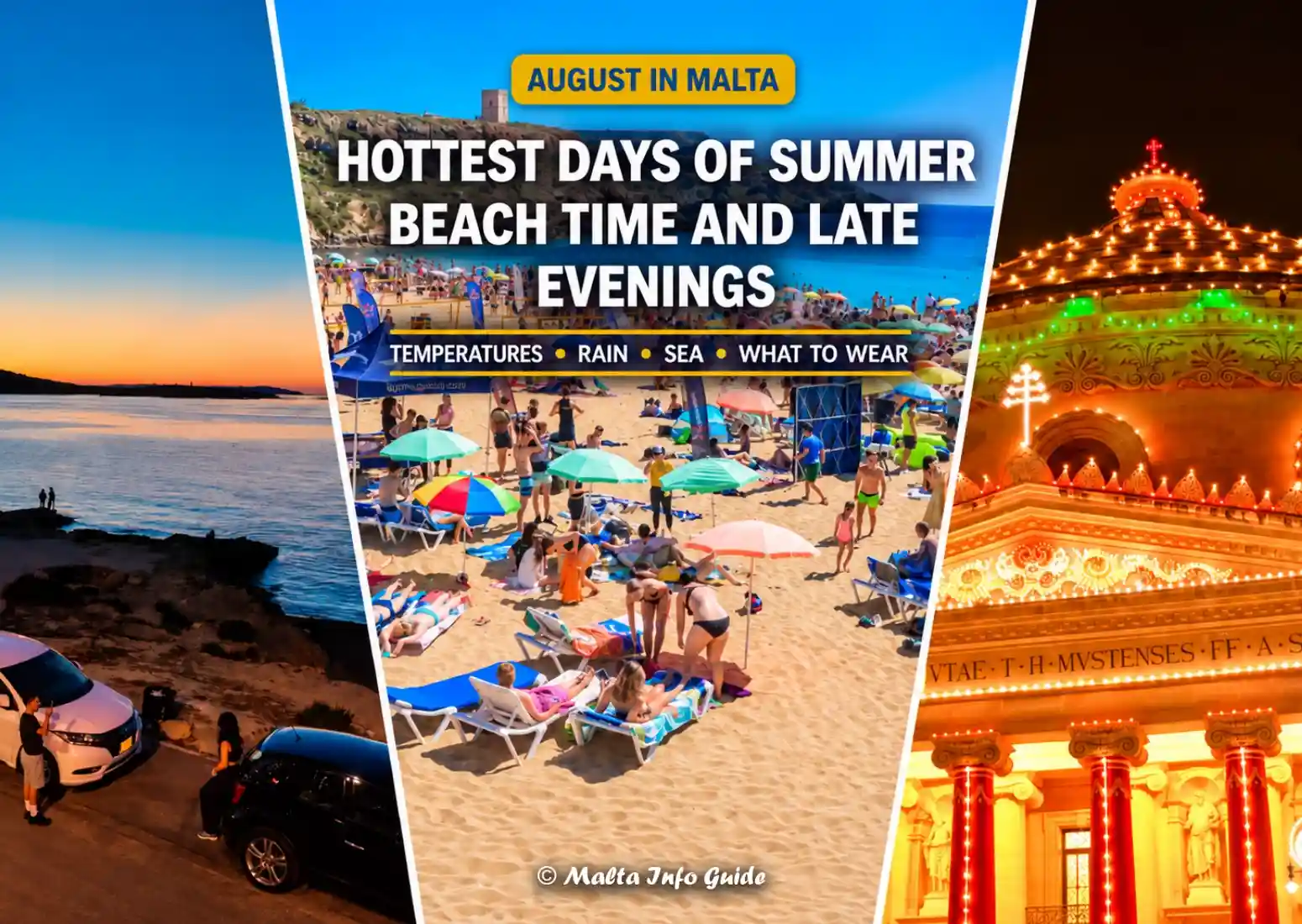 Beaches, warm evenings and summer feasts
✍️ Written by Albert and Benjamin Magro, Malta locals sharing practical advice from living in and exploring the Maltese Islands.
A Glance Of What To Expect
- Statistics For August
- What Does Malta Weather Feel Like in August?
- Early vs Late August: Does the Weather Change?
- Rain and Wind in August
- Is August a Good Time to Visit Malta?
- What to Wear and Pack in Malta in August
- Can You Swim and Sunbathe in Malta in August?
- Things to Do in Malta During August
- Village Feasts, Santa Marija and the August Shutdown
- Adventure and Water Sports in August
- Quick August Thoughts
 Golden Bay's sandy beach attracts people all year, especially during the long months of summer
Statistics For August
- 🌡️ Average Daytime High: 32°C (90°F)
- 🌙 Average Nighttime Low: 23°C (73°F)
- 🌡️ Average Air Temperature: Around 27.5°C (82°F)
- 🌊 Average Sea Temperature: Around 26°C (79°F)
- ☀️ Average Maximum UV Index: 9 to 10 (Very High)
- 🌧️ Average Rainfall: Around 11.2mm (0.44 inches)
- 🔥 Highest August Temperature Recorded: 43.8°C (111°F), on 9th August 1999
- ❄️ Lowest August Temperature Recorded: 15.9°C (61°F), on 27th August 1972
These historical extremes show what is possible in August, but they are not typical temperatures. Most visitors should plan around the average daytime and night-time temperatures above rather than the record figures.
Although August is normally very hot and dry, occasional rain, breezy spells and changes in humidity can affect how the weather feels.
Sunshine Hours and Daylight
- ☀️ Average Sunshine: Around 10.9 hours of bright sunshine per day.
- 🕖 Daylight: About 13 hours 57 minutes at the beginning of August, decreasing to around 12 hours 58 minutes by the end of the month.
- 🌅 Sunrise: 06:09 at the beginning of August and 06:32 by the end of the month.
- 🌇 Sunset: 20:06 at the beginning of August and 19:31 by the end of the month.
August offers long, sunny days, with plenty of daylight for swimming, sightseeing and enjoying Malta's summer evenings.
Sunshine hours and daylight hours are not the same. Malta averages 10.9 hours of bright sunshine per day in August, while the time between sunrise and sunset is much longer.
What Does Malta Weather Feel Like in August?
August in Malta feels very hot, particularly in direct sunshine. Walking around at midday can be tiring, and although shade offers some relief, humidity can still make the air feel hot and sticky.
Evenings usually remain warm after sunset, especially during humid spells. During the day, a sea breeze can make exposed coastal areas feel more comfortable, although the sun can still be very strong.
From our experience, August is best enjoyed by balancing outdoor activities with time at the beach, by the pool or relaxing indoors. It is a lively summer month, and the heat is simply something to plan around.
Early vs Late August: Does the Weather Change?
There is usually little noticeable difference in the heat between early and late August. Both periods can bring very hot days, high humidity, and warm nights.
- Early August: Expect typical peak summer conditions, with strong sunshine, warm seas and very little rainfall on average.
- Late August: Temperatures often remain just as hot, although the days gradually become shorter. An occasional breezy or unsettled spell can change how the weather feels.
In our experience, we would not choose late August expecting noticeably cooler weather. The conditions on individual days matter more than whether you visit at the beginning or end of the month.
Rain and Wind in August
August is normally one of Malta's driest months, with very little rainfall. Most visitors can expect plenty of sunshine, though occasional showers or thunderstorms are still possible.
Wind conditions vary. A sea breeze can make hot days more comfortable, especially along exposed coastlines, while stronger winds can occasionally affect swimming and boat trips.
From our experience, rain is rarely a major concern when planning an August holiday. The heat and strong sunshine usually deserve more attention, but it is still worth checking the weather and sea conditions before heading out.
Is August a Good Time to Visit Malta?
Yes, August is an excellent time to visit Malta if you enjoy hot weather, swimming, beaches and lively summer evenings. It is one of the busiest months of the year, attracting visitors from around the world who come to enjoy the Mediterranean summer.
✅ Reasons to Visit Malta in August
- 🌞 Hot, Sunny Weather: Ideal for visitors who enjoy strong sunshine and long summer days.
- 🌊 Warm Sea: Excellent conditions for swimming, beach holidays and water activities when the sea is calm.
- 🎉 Village Feasts: Colourful celebrations, band marches and fireworks throughout August, including the Feast of the Assumption of Our Lady, locally known as Santa Marija, celebrated on 15th August.
- 🎶 Summer Atmosphere: Outdoor entertainment, festivals, busy promenades and lively evenings.
- 🌅 Long Summer Days: Plenty of daylight to enjoy Malta and Gozo.
❌ Things to Consider Before Visiting
- 🔥 Intense Heat: Midday sightseeing and long walks can be tiring, particularly during humid spells.
- 👥 Busy Beaches and Attractions: Popular places can become crowded, especially at weekends and around Santa Marija.
- 💰 Peak Summer Demand: Accommodation and flights can be expensive, particularly when booking late.
- 🚌 Busy Transport and Parking: Popular bus routes and beach car parks can be particularly busy.
Our advice: August is particularly enjoyable for a holiday that combines swimming, relaxation, and sightseeing. We would explore places such as Valletta, Mdina and Gozo earlier in the day, then enjoy the beaches, restaurants and lively summer evenings at a more relaxed pace.
What to Wear and Pack in Malta in August
August calls for lightweight summer clothing that keeps you comfortable in hot, humid weather. You don't need warm clothing, even in the evening, since temperatures usually stay high after sunset.
What We Recommend Packing:
- 👕 Light Summer Clothes: Shorts, T-shirts, dresses and breathable cotton or linen clothing.
- 🩴 Comfortable Footwear: Sandals or flip-flops for the beach, plus comfortable trainers for sightseeing.
- 🩱 Swimwear: Essential for swimming, sunbathing and relaxing by the pool.
- 🕶️ Sun Protection: Sunglasses, a wide-brimmed hat and high-factor sun cream.
- 👔 Evening Clothes: Light, smart casual outfits for restaurants, bars and summer events.
- 🎒 Beach Essentials: A reusable water bottle, beach towel and a lightweight cover-up for additional sun protection.
Our advice: We normally wear light summer clothes throughout August, including during the evening. For sightseeing, comfortable footwear and breathable fabrics make a noticeable difference. A light long-sleeved top is also useful when you need extra sun protection.
 Traditional luzzu fishing boat at Marsaxlokk fishing village, Malta
Can You Swim and Sunbathe in Malta in August?
Yes, August is one of the best months for swimming and sunbathing in Malta. The sea averages around 26°C to 27°C (79°F to 81°F), making it comfortably warm for most swimmers. Beaches across Malta and Gozo are particularly popular throughout the month.
From our experience, early morning is ideal for a quieter swim, while late afternoon and early evening offer more comfortable beach time. Popular sandy beaches can become crowded, especially at weekends and around Santa Marija on 15 August.
Sunbathing is very popular, but the midday sunshine can be intense. We recommend avoiding long periods in direct sunlight, taking regular breaks in the shade, and using plenty of sun protection.
Our advice: August is excellent for beach holidays, but always check sea conditions before swimming. Strong winds and rough seas can make some beaches unsuitable, even on hot, sunny days.
Things to Do in Malta During August
August is one of Malta's liveliest months, with plenty of opportunities to enjoy the beaches, outdoor attractions and summer evenings. We would plan most outdoor activities for the morning or later in the day when the heat is more comfortable.
- 🏖️ Beaches and Beach Clubs: Enjoy Malta's sandy beaches, hotel pools or beach clubs with restaurants and bars. These are popular places to spend a relaxing summer day.
- 🚶 Evening Promenade Walks: Walk along the Gżira, Sliema and St Julian's waterfronts, or enjoy the lively Buġibba and Qawra promenade when the sun is lower.
- 🎶 Outdoor Nightlife: August brings a lively nightlife atmosphere, with open-air parties, music events and entertainment across Malta and Gozo.
- 👨👩👧👦 Family Activities: The Buġibba water park can be a fun option for children when operating. Check opening times before visiting.
- ⛵ Boat Trips: Explore Malta's coastline or take a boat trip towards Comino and the Blue Lagoon, subject to sea conditions and availability.
- 🌇 Evening Sightseeing: Valletta, Mdina and the Three Cities are particularly enjoyable for a relaxed evening visit, when you can explore their streets without the strongest midday sunshine.
For us, one of the nicest parts of August is being outdoors in the evening, when promenades, restaurants and public spaces remain lively after sunset.
Village Feasts, Santa Marija and the August Shutdown
August is one of Malta's liveliest months for traditional village feasts, with decorated streets, band marches, religious processions and spectacular fireworks.
- 🎆 Village Feasts: Celebrations take place across Malta and Gozo throughout August, often attracting large crowds of locals and visitors.
- ⛪ Santa Marija (15 August): The Feast of the Assumption is a public holiday and one of the highlights of Malta's summer feast calendar, with celebrations in several localities.
- 🎺 A Lively Atmosphere: Expect music, street decorations and fireworks. From our experience, first-time visitors can be surprised by how loud the fireworks are, including during the daytime.
What About the August Summer Shutdown?
Around Santa Marija, many Maltese take their summer holidays, and some businesses close briefly. Beaches and Gozo are particularly popular with locals enjoying time off.
Tourist services generally continue operating, but smaller shops, offices and individual businesses may close or adjust their opening hours. We recommend checking directly if you plan to visit a specific place.
Village feasts can also bring temporary road closures, parking restrictions and bus diversions, so allow extra time when travelling near celebrations.
 The Mosta Rotunda Parish Church, lit up with colourful lights for the village feast celebrations
Adventure and Water Sports in August
August's warm sea makes it a popular month for water sports and coastal adventures across Malta and Gozo.
- 🤿 Scuba Diving: Explore underwater reefs, caves and wreck sites around Malta, Gozo and Comino, with options for beginners and experienced divers.
- 🛶 Kayaking: Explore the beautiful coastline of Malta and Gozo, including sheltered bays, rocky inlets and sea caves, depending on sea conditions and the route chosen.
- 🌊 Jet Skiing: Enjoy an exciting coastal activity, with rentals and guided experiences available from selected operators.
- 🏄 Windsurfing: An option for visitors interested in water sports, although suitable conditions depend on the wind and location.
Our advice: Book with reputable operators and always check wind and sea conditions. Even in August, not every day suits every water activity.
Getting Around Malta in August
August is one of Malta's busiest holiday months, so allow extra time when travelling, particularly to popular beaches and tourist areas.
- 🚌 Public Transport: Buses are a convenient way to explore Malta, but popular routes can become crowded. Waiting at bus stops without shade can be particularly tiring in the summer heat, so carry water and allow extra time.
- 🚗 Driving and Parking: Hiring a car gives you more flexibility, especially for visiting beaches and quieter areas. However, parking near popular beaches can be difficult, particularly at weekends. Arriving early makes a difference.
- 🚶 Walking and Sightseeing: Exploring Valletta, Mdina and other historic towns is still enjoyable, but we recommend starting early, taking indoor breaks and avoiding long walks during the hottest hours.
- 🎆 Village Feast Disruptions: Summer feasts can bring temporary road closures, parking restrictions and bus diversions, particularly near town and village centres.
Our advice: Plan longer outdoor visits for the morning, ideally between 8:00 and 11:00, and consider returning after 5:00, when the strongest daytime heat has eased. With a little planning, you can enjoy Malta's attractions throughout August.
Hiring A Car? Check The Best Rates
- Looking to hire a car for your holiday? Check Discover Cars for rates.
Staying Comfortable in Malta During August
Because August nights are often warm and humid, we strongly recommend air conditioning when booking accommodation in Malta. It can make a significant difference to getting a comfortable night's sleep.
Whether you are staying in a hotel, apartment or holiday rental, there are a few things worth checking before booking:
- ❄️ Bedroom Air Conditioning: Make sure every bedroom has air conditioning, particularly when travelling as a family or group.
- 🛏️ Sleeping Comfort: August nights can remain warm and humid, and a fan alone may not provide enough relief.
- 💶 Additional Charges: Check whether air conditioning is included in the accommodation price or charged separately.
- 🏨 Accommodation Location: Consider how close you will be to beaches, restaurants and public transport, particularly if you prefer not to walk long distances in the heat.
Our advice: When choosing somewhere to stay in Malta in August, we'd prioritise effective bedroom air conditioning over many other room features. A comfortable night's sleep can make a big difference to enjoying the following day.
Check Hotels In Malta Rates For This Month
- Find good rates for hotels in Malta on Booking.com.
Quick August Thoughts
August is a special time in Malta, with busy beaches, lively villages and long summer evenings. It is peak holiday season, and both locals and visitors make the most of the warm weather.
In our experience, August is when the Maltese make the most of the sea and sunshine. Beaches are popular all day, with many locals swimming, sunbathing, and relaxing by the water before heading out again for Malta's lively summer evenings.
Evening walks along the Sliema, St Julian's and Buġibba promenades are particularly popular. We also enjoy visiting Mdina and the Three Cities in the evening, especially along the bastions, where a breeze makes the heat more comfortable.
Our advice: Embrace Malta's summer rhythm. Enjoy the beaches, explore at a comfortable pace and make time for the lively evenings. August is one of the most popular months to visit Malta, and with a little planning, there is plenty to enjoy.
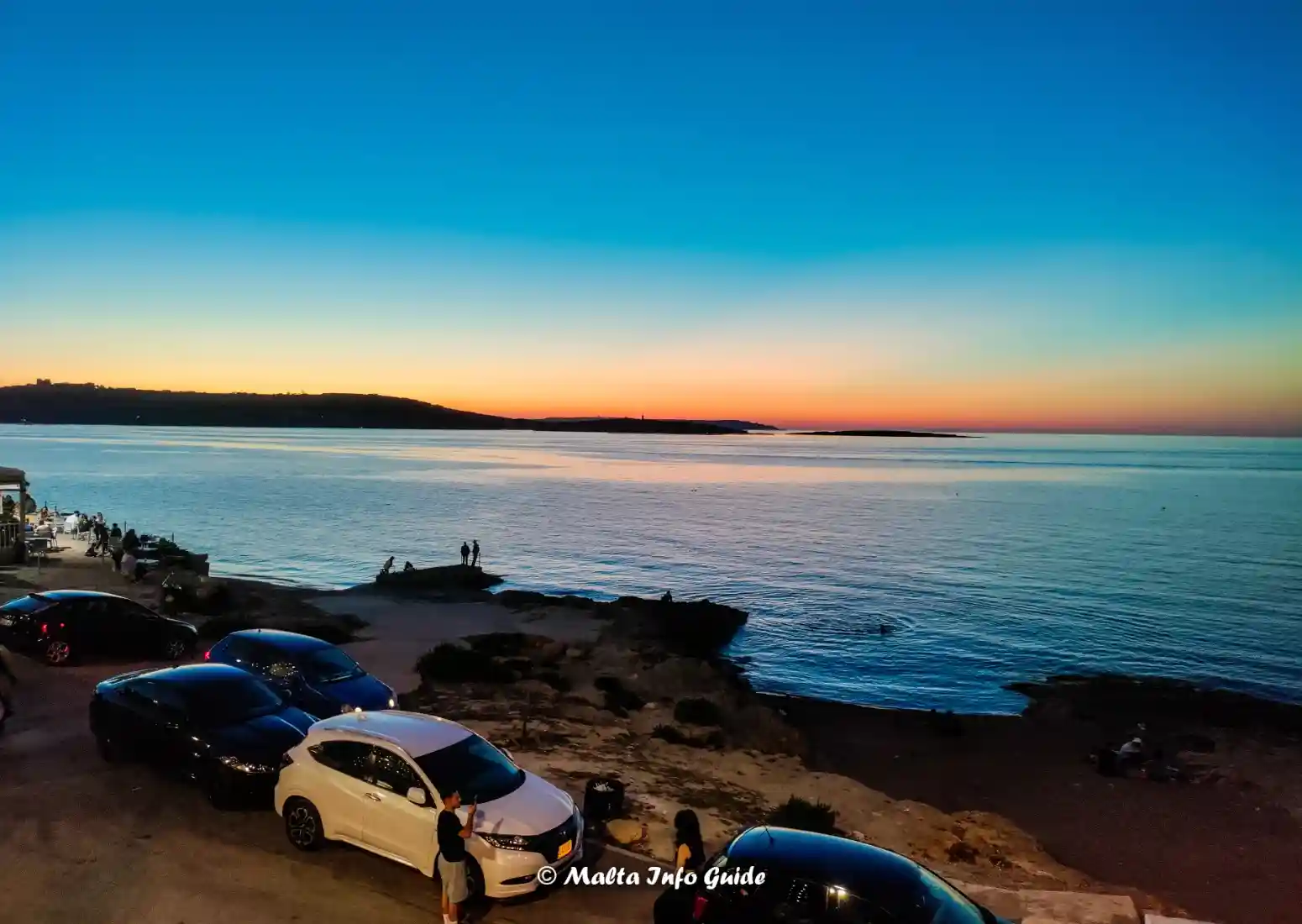 Summer sunset overlooking St. Paul's Islands from Qawra promenade
Top Tours In Malta For August
August is an excellent month for exploring Malta, Gozo and Comino by sea. Browse these popular excursions, including boat trips and swimming experiences, and check availability for your preferred dates.
Frequently Asked Questions About Malta in August
What Is the Weather Like in Malta in August?
What Is the Weather Like in Malta in August?
August is one of Malta's hottest and sunniest months, with average daytime highs of approximately 32°C (90°F) and warm nights. Expect plenty of sunshine, very little rainfall on average and excellent conditions for enjoying the sea.
Does It Rain Much in Malta in August?
Does It Rain Much in Malta in August?
August is normally one of Malta's driest months. Rainfall is generally limited, though occasional showers or thunderstorms are possible. Most visitors experience hot, sunny conditions.
Is Malta Windy in August?
Is Malta Windy in August?
August can be breezy, especially along exposed coastlines. A sea breeze may provide some relief from the heat, but stronger winds can occasionally affect swimming and boat trips. Always check local sea conditions before heading out.
How Strong Is the UV Index in Malta in August?
How Strong Is the UV Index in Malta in August?
The UV index can reach very high levels, making sun protection important throughout August. Use high-factor sun cream, wear sunglasses and a hat, and take breaks in the shade, especially around midday.
Is July or August Hotter in Malta?
Is July or August Hotter in Malta?
July and August are generally Malta's hottest months. Both bring intense sunshine, high daytime temperatures and warm nights. The difference is usually small enough that visitors should prepare for similar summer conditions in either month.
Is Malta Too Hot to Visit in August?
Is Malta Too Hot to Visit in August?
Not at all, if you enjoy hot summer weather! August is one of Malta's most popular holiday months, with warm seas, lively evenings and plenty of activities. The key is to plan sightseeing for the cooler parts of the day, enjoy the beaches and take breaks from the strongest sunshine.
Want To Share This Page On Pinterest? Pin It Here!

Other Related Pages That Might Interest You
Weather in Malta in December 2026 | Temperatures & Tips
Planning Malta in December? See average temperatures, rainfall, sea temperature, what to wear, swimming conditions, Christmas weather and practical local tips.
Weather in Malta in June: Temperatures, Sea & What to Expect
Planning Malta in June? See temperatures, rainfall, sea conditions, UV, what to wear, swimming advice and what changes from early to late June.
Malta Weather in November: Temperatures, Rain & What to Wear
Planning a trip to Malta in November? See temperatures, rainfall, early and late November weather, what to wear, whether you can swim and what to expect.


Disclaimer — We may earn a commission if you book via certain links on the website. No extra cost to you.
🎉 What’s On In Malta?
Updated for October • Local picks
Discover events, village feasts, fireworks, festivals and seasonal things to do this October.
📅 See What’s Happening This October ⛪ Malta Village Feasts 🌞 Things To Do In Malta 🗓️ Events By Month🍺 Enjoying Malta Info Guide?
If our local guides helped you plan your Malta trip, you can say thanks by buying us a Cisk.
Made by two Malta locals. Always free.


Recent Articles


-
Kalendarju Festi Malta 2026 | Ċelebrazzjoni Unika Maltija
Oct 24, 26 03:34 PM
Festi Malta hija l-gwida tiegħek għall-aħjar għażla għad-dati tal-kalendarju għal festi Maltin u Għawdxin. -
Where to Stay in Malta: Best Areas for Your Holiday
Oct 23, 26 01:47 PM
Compare the best areas to stay in Malta, from Valletta and Sliema to Mellieħa and Gozo, with local advice on beaches, nightlife, transport and more. -
Discover Cars Malta Review: Our Local Advice Before Booking
Oct 22, 26 06:39 PM
Discover Cars Malta: is it worth booking? Read our local review covering car hire prices, insurance, deposits and what to check before renting.