- Home
- Malta Island
- Maltese Islands
travelling to the Maltese Islands
What You Need To Know Before Coming
The Maltese Islands are located in the centre of the Mediterranean Sea, barely visible on the world map, but several million people come every year for holidays, business and repeated visits. Did it ever cross your mind to visit Malta for a holiday?
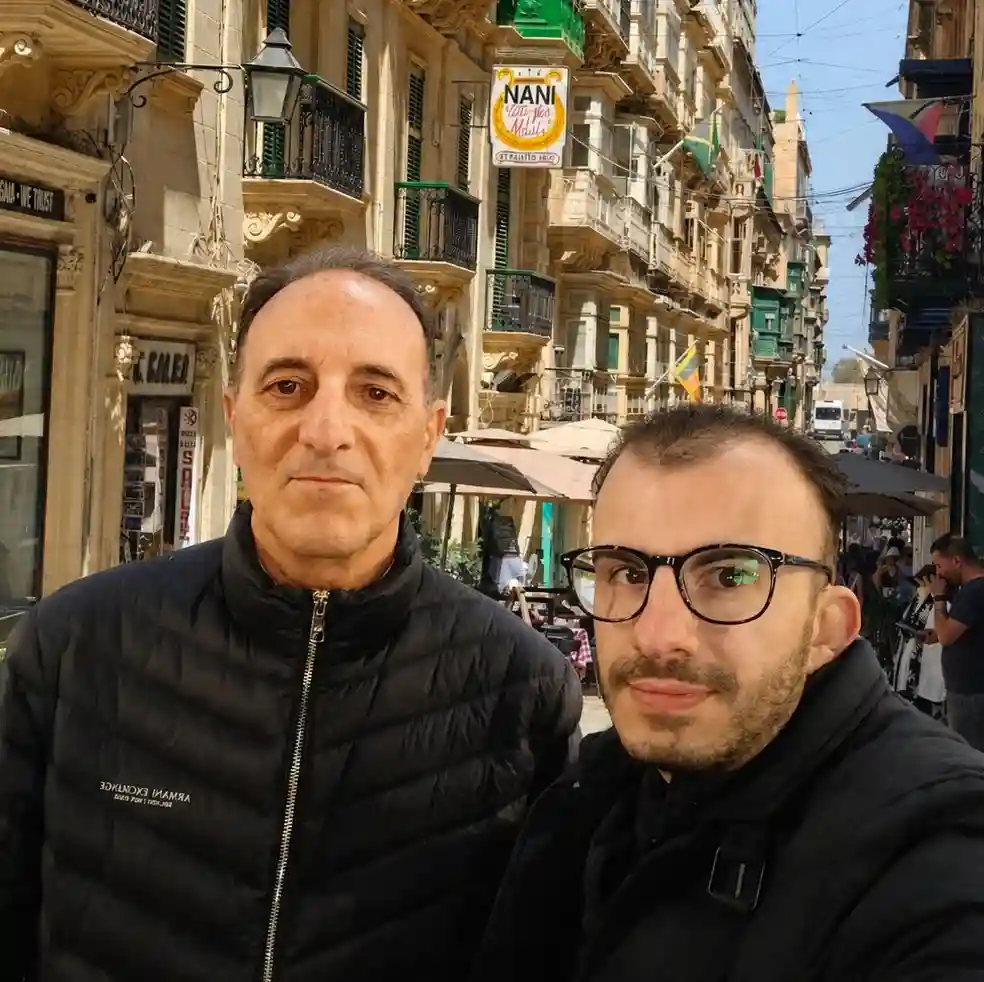
✍️ Written by Albert and Benjamin Magro, Malta locals sharing practical advice based on living on and exploring the islands.
We try to answer as many of your requirements and questions as possible. We who run this website have lived here since we were born and still do. We give you good advice on many details and inside tips.
This page was purposely prepared for you. This is also the page that helps you get oriented to what you find around.
Flights To Malta
Flights from Malta are easy to find, especially cheap flights. There are a number of airlines that fly to Malta
Flight duration to Malta
Average time from London Gatwick, Birmingham, Bristol, London Stansted (STN), and Manchester (MAN) is from 3 hours 10 minutes to 3 hours 20 minutes, as mentioned.
Flight tiles from other European countries, Italy Rome 1 hour 30 minutes. Then for most other European countries it is around 3 hours or less. So coming to Malta, you do not have to take any long-haul flight from anywhere around Europe.
Connections to other continents are easy since the major airports in Europe are all connected to Malta, where you find connections to other continents.
If you are on a tight budget, you can choose a connecting flight, which will consume more time. It is good to check properly, as the difference might not be worth the inconvenience.
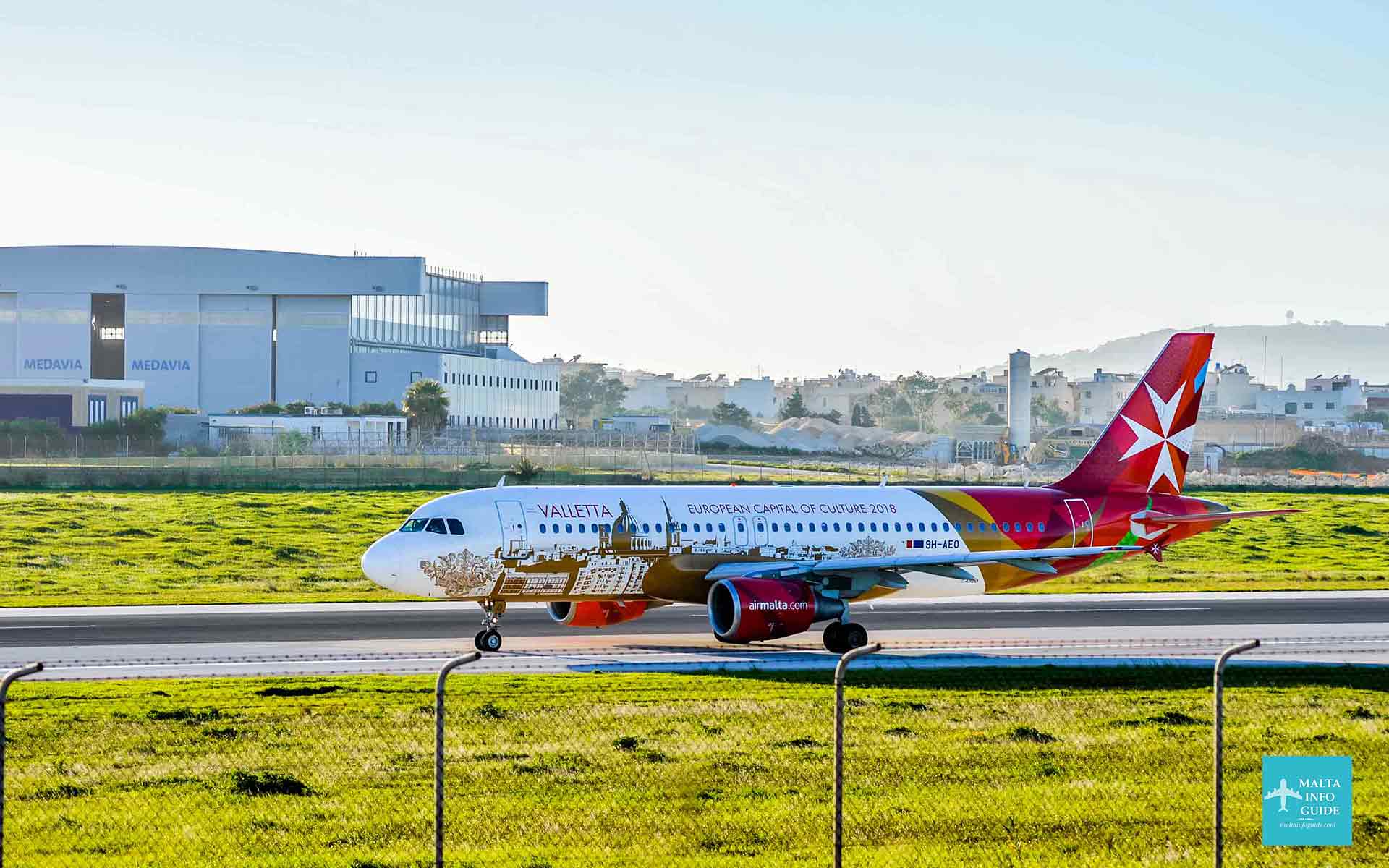
Malta International Airport
The Maltese archipelago has only one airport at Luqa in the southern part of the islands, called Malta International Airport. It is a very modern airport that offers all the amenities found at other international European airports. The terminal consists of three floors. The check-in desks and arrivals hall are on the same ground floor level, lying beside each other just a minute's walk from each other.
The departures hall is on the first level, where there are eighteen boarding gates. It is on the first floor, Level 1. On the lower floor, in the centre of the terminal, there is the food court.
The island is so small that it does not take you long to arrive at and depart from the airport. The only drawback is traffic and peak times due to working hours.
Arriving by Sea
The most common route is a direct connection to our closest Italian island, Sicily. It is 100 kilometres away. Virtu Ferries makes round trips all year round to the port of Pozzallo, taking around 1 hour 45 minutes, and back to our capital city, Valletta Grand Harbour.
The catamaran is very fast, and you can
bring your car. Many locals use this service to go on holiday across
Italy. It is best to enquire and book beforehand, as during summer the service
is very popular.
Transport possibilities to move around
The best way to see our island is to have your own car, or, as a visitor, you can rent one. This will allow you to go wherever you wish, to any corner of the islands, at any time you wish. Though the public transport system is very efficient and there are numerous trips to all villages and towns, they all converge at the capital. All important bays and historical locations are reachable by public transport.
If you are a tourist, you can also choose to use the Hop-On Hop-Off daily itineraries for both Malta and Gozo Island; taxis are also offered by several companies, both local and international. Apart from the rental of electric cars, motorbikes and scooters.
For a more detailed comparison of buses, ferries, taxis, car hire and other options, see our complete guide on how to get around Malta.
Driving a rental car
There are various car hire companies in Malta. You can book your car rental package in Malta online or when you arrive at Malta International Airport. Be sure to source either a hard copy of a Map of Malta or online before your arrival to familiarise yourself and get a bit of an idea of what to expect.
Malta car rental deals are preferably done before you come to Malta, as this usually affords you a better deal where you can check prices and rental conditions.
Driving on Maltese roads
Driving in Malta might not be easy, as the island is overcrowded with cars, but still many foreigners choose to rent a car. We drive on the left-hand side since we were a British colony. Likewise for Australia, New Zealand, South Africa and Cyprus. Having a car, you will be able to reduce the driving time a lot and can fit many sites to see into your day. You can be very flexible on what you choose to do.
We have come up with a page where we summarised the basic information about driving on the islands. Our neighbouring island, Gozo, has the same driving rules, and because it is less crowded, it is more pleasant to drive.
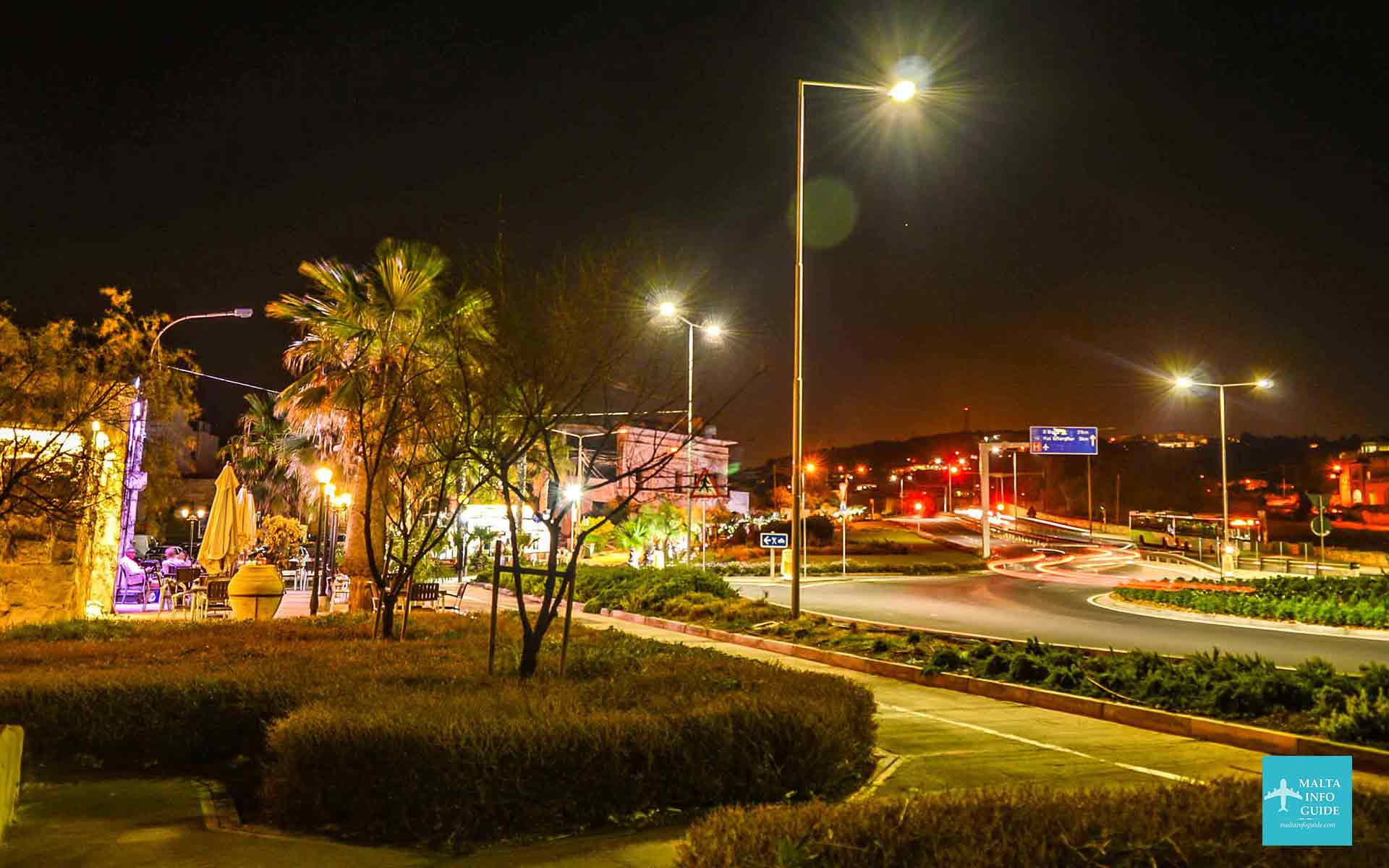
Public Transport
We have
a very well-organised public transport system that covers all villages and towns. All routes from the locations merge at the capital city, Valletta. In addition, all important cultural and historical sites are covered by the routes. Though the time spent on the buses is substantial, as they have routes to follow and stop at many bus stops.
Where to stay in Malta
The versatility of the accommodation is as diverse as the people who visit us. Whether for business or pleasure, you will find international brands, self-catering apartments, friendly boutiques, and resorts catering from 2 to 5 stars. They are found spread all over the islands of Malta and Gozo.
The best places to stay in Malta are Sliema, St. Julian’s, and Gzira. The Bugibba, Qawra and St. Paul’s Bay are in the north of Malta
Valletta
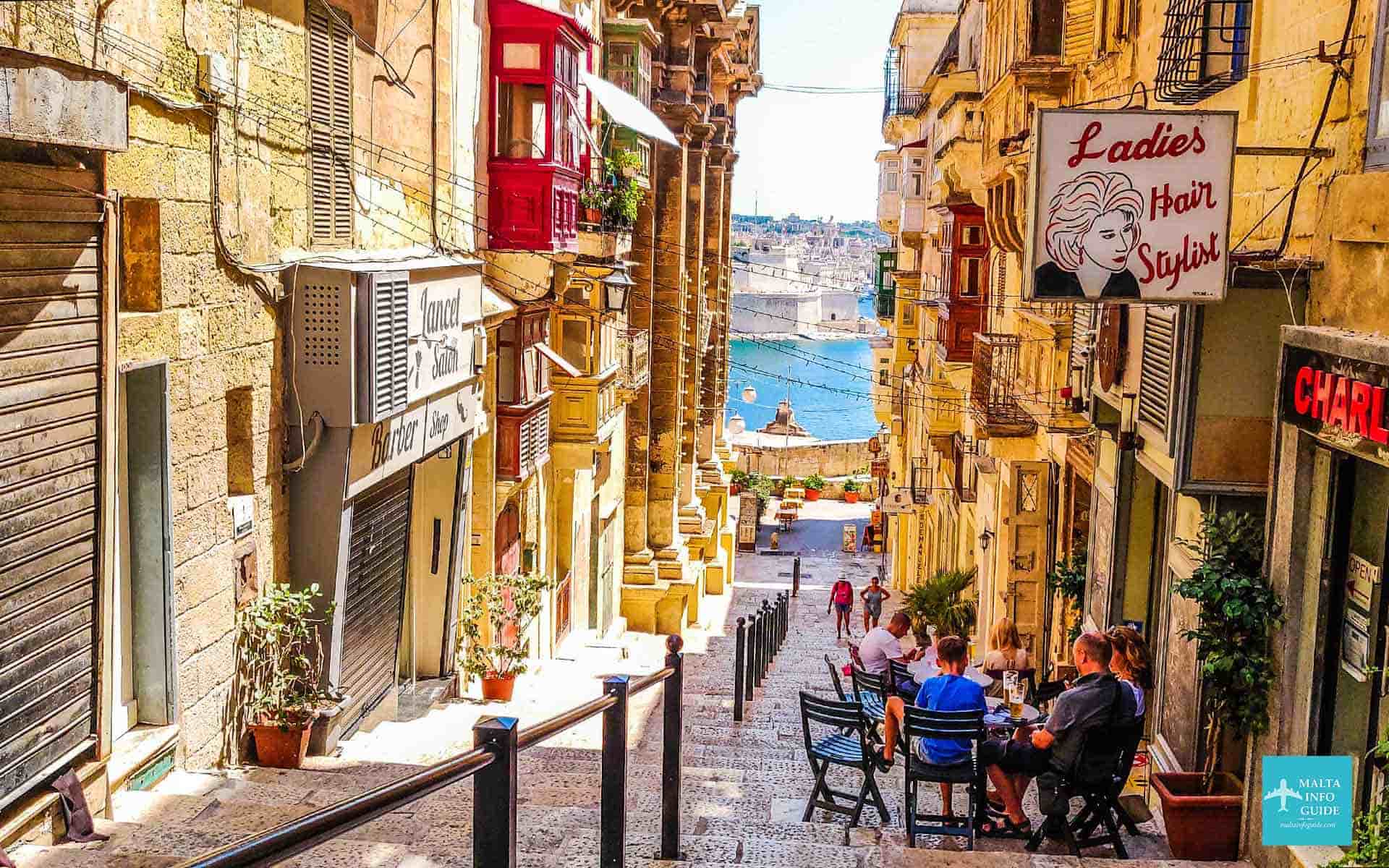
The capital city, Valletta, is well served by accommodation, from luxurious 5-star hotels to boutiques, apartments, and townhouses. They are a charm of architecture built at various stages from the time of the Knights of St. John in 1570 onwards to recent hundred-year-old buildings. Beautifully converted with modern amenities. The capital has its own attractiveness that still enchants visitors to this day.
Mellieha
The town of Mellieha, rural and surrounded by nature, attracts visitors for its charm and is cut off from the rest of the island, with plenty of open spaces and the open sea that surrounds the northern part of Malta.
Same for here: a 4 Star hotel with plenty of amenities, most of them overlooking the open sea and within the popular bays. Apartments are plenty but more within the town and surrounds. The area is more relaxed, with plenty of countryside, great for a relaxing holiday.
Sliema, Gzira, St. Julians, Paceville Areas
Sliema and the surrounding villages are the hub for all sorts of accommodation, expensive housing, shopping, promenades and pleasure. Entertainment is not least with Paceville clubs just on the side of Sliema.
Here you will be in the centre of all activity and the best location to reach everywhere on the island. It stretches along the coast for 5 kilometres from the village of Msida, followed by Gzira, Sliema, St. Julians, Paceville, and St. George’s Bay.
It is also a great stretch of promenade walks for jogging and a place where locals meet.
Bugibba, Qawra and St Pauls Bay Areas
This area has developed over the past 60 years from very quiet to summer houses for Maltese and holiday apartments, mostly for British people who were here due to the presence of British military units.
A very popular and large tourist resort, here you find numerous types of accommodation from 4-star hotels to all sorts of apartments and other hotels spread across the area.
Many cafes, bars and restaurants run across the promenade and side streets. There are several shops, from groceries and minimarkets to clothing and fish shops. The area is residential, with many Maltese and foreigners who are on the island to work.
Things To Know About Malta
Is it safe to drink?
Malta’s
tap water is a blend of groundwater extraction and desalinated water.
In
every home, tap water is supplied directly from the main supply pipes and is
safe to drink. Tank water is supplied in the rest of the household for general
use. Hotel room water supply is probably from roof tanks and is not recommended.
If you don’t like drinking from the tap, you can buy bottled water in plastic bottles, which is available anywhere on the island.
Everyone speaks English
Having been a British colony for 150 years, according to recent statistics, 88% of the population can speak English. Both Maltese and
English are official languages according to the archipelago's constitution.
Maltese is a Semitic language, and it is believed that Phoenicians arrived here around 750 BC and introduced the basis for the language that we speak today. Through many rulers, our language acquired many words from other languages like Italian and English. Around 75% of Maltese people can speak some sort of Italian; many speak it well.
Everybody knows everybody
Living
on a small island has its positive and negative things. Many people think everyone knows everyone, but that is not true. Foreigners think
that because we are so small, everyone knows each other. It is in our blood to try to make friends, as we might need each other’s help with something useful to us.
At the same time, it is rather easy to make many friends on such a small island, even easier on the sister island of Gozo with a smaller population.
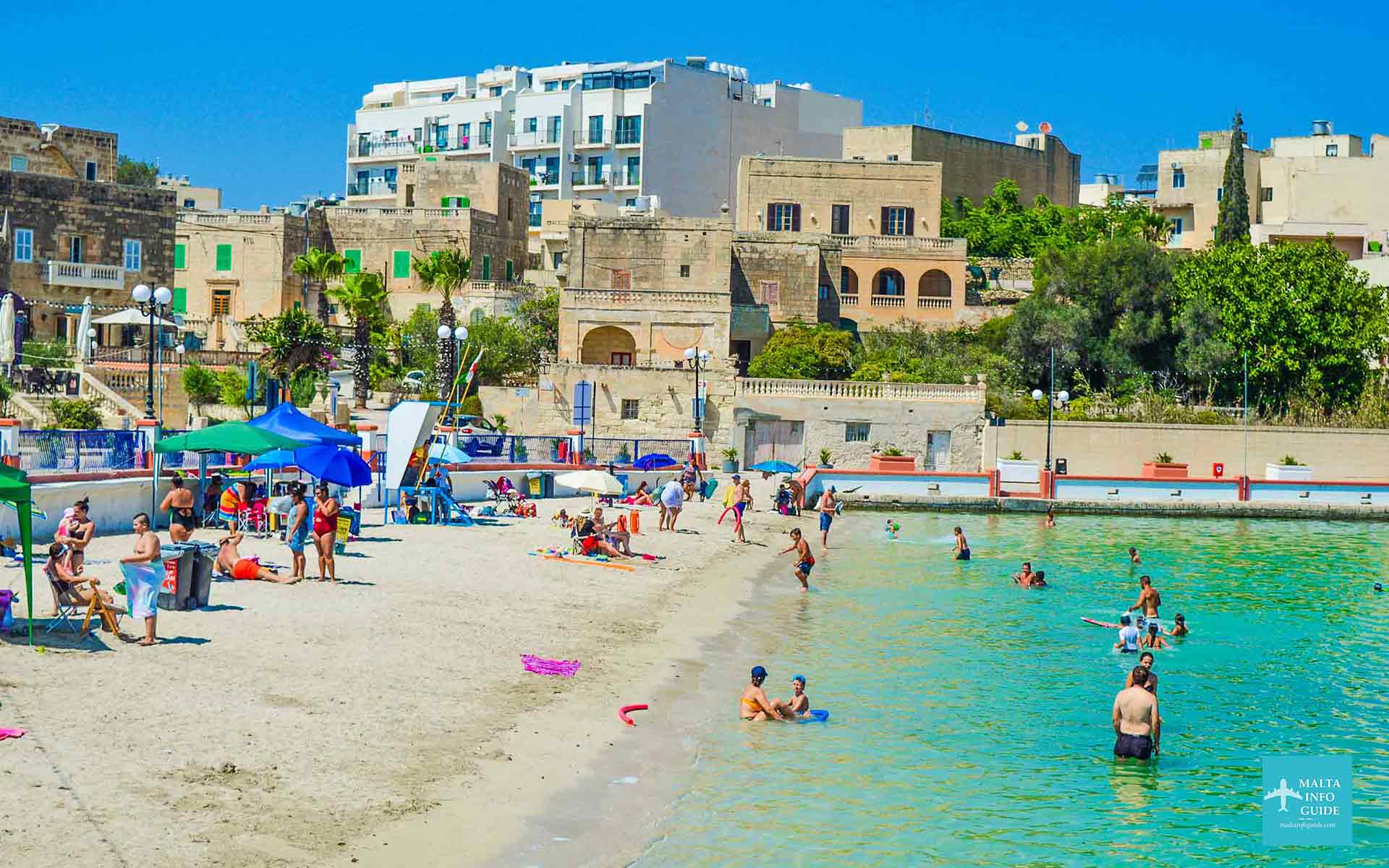
Very hot island - if you come in summer get sunblock
The
weather all over the islands is typically Mediterranean. Summers are very hot
and dry with barely any rain. Winters are mild, with low temperatures, wind, and humidity. For many Europeans, it will be like summer, as temperatures are much lower. Overall, you can expect warm weather. The sun shines for around 300 days
a year. Our weather is very similar to southern Italy and Greece.
Disclaimer — We may earn a commission if you book via certain links on the website. No extra cost to you.
🎉 What’s On In Malta?
Updated for September • Local picks
Discover events, village feasts, fireworks, festivals and seasonal things to do this September.
📅 See What’s Happening This September ⛪ Malta Village Feasts 🌞 Things To Do In Malta 🗓️ Events By Month❤️ Enjoying Malta Info Guide?
If our free local guides made planning your Malta trip easier, you can say thanks with a small beer.
Written by two locals. Always free.

✈️ Planning your Malta trip?
✈️ Flights to Malta
Compare airlines and find the best prices today.
Check today’s cheapest flights →🏨 Hotels in Malta
Find available rooms, trusted stays and good locations for your Malta trip.
See available hotels this week →🚗 Car Rental in Malta
Compare prices, pick-up points and car options before you book.
Compare car rental prices →Planning London too?
Discover where to stay, what to do, and when to visit London.
Explore London Guide →Recent Articles


-
Christmas Pantos in Malta 2026/27 - Dates, Venues & Tickets
Sep 14, 26 12:07 PM
Find Christmas pantos in Malta and Gozo for 2026/27, with confirmed dates, venues, language, age guidance, booking status and official ticket links. -
Dog Friendly Beaches Malta & Gozo: 16 Official Locations
Sep 13, 26 04:09 AM
Find the 16 official dog friendly beaches in Malta and Gozo, plus the rules on where dogs can swim and what owners need to know before visiting. -
Xlendi Bay Gozo: Local Guide to Swimming, Beach & Tips
Sep 11, 26 03:26 PM
Local guide to Xlendi Bay in Gozo, with advice on swimming, the small beach, restaurants, parking, buses, summer crowds and who Xlendi suits best.